Best Baby Gates Deals - Week of July 14, 2026
Updated July 14, 2026 · 20 deals on sale
LaybackLife — AI-powered deals for busy parents
Looking for great baby gate deals? Check out the latest sales—prices are updated weekly so you can score the best deals around!
🏆 Top Deals


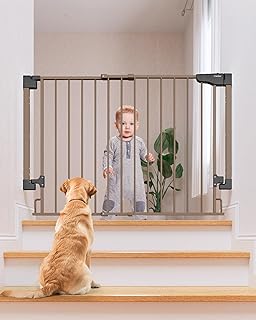

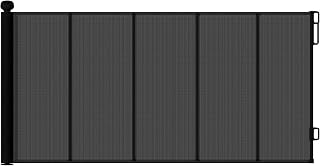


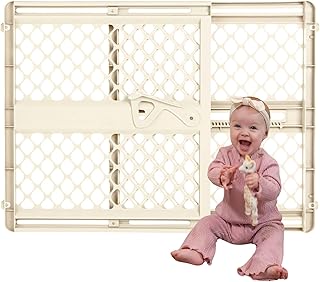


📋 Buying Guide
Consider the size and width of the area you need to block. Make sure the gate you choose fits securely and can cover the space without gaps where a toddler could slip through.
Look for gates made from durable, non-toxic materials that are safe for babies. Avoid gates with sharp edges or small parts that could pose a choking hazard.
Check if the gate is easy for adults to open and close with one hand, but still secure enough to prevent a child from opening it independently.
Ensure the gate is adjustable or comes in the correct size for your space. Some gates are pressure-mounted, which are easy to install, while others require hardware for more permanent installation.
❓ FAQ
What types of baby gates are available and which is best for my home?
There are various types of baby gates, including pressure-mounted, hardware-mounted, and free-standing gates. Pressure-mounted gates are easy to install and ideal for doorways or rooms that don't require permanent fixtures. Hardware-mounted gates are more secure and suitable for stairways. Consider your space, safety needs, and whether the gate needs to be portable when choosing the best option for your home.
At what age should I start using a baby gate for my child?
Baby gates are typically used once your child begins to crawl or pull up, usually around 6 months old. They help prevent access to stairs, kitchens, or other unsafe areas. Always supervise your child around gates and ensure the gate is securely installed and appropriate for your child's age and activity level.
How do I ensure a baby gate is safe and properly installed?
To ensure safety, choose a gate that meets safety standards, is the right size for your doorway or stairway, and has no sharp edges or small parts. Follow the manufacturer's instructions carefully during installation, securing the gate firmly to prevent tipping or dislodging. Regularly check the gate for stability and wear, and never use a damaged or insecure gate to ensure your child's safety.