Best Sneakers Deals - Week of September 23, 2026
Updated September 23, 2026 · 20 deals on sale
LaybackLife — AI-powered deals for busy parents
Looking for great sneaker deals? Check out the latest sales – prices are updated weekly so you can score some awesome kicks at a steal!
🏆 Top Deals

New Balance

ASICS

LUCKY STEP

DREAM PAIRS

The Children's Place
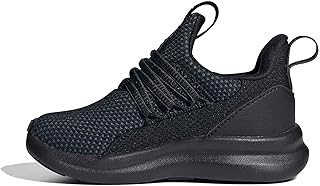
adidas
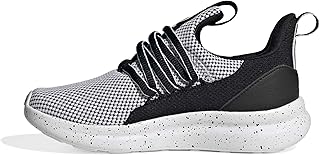
adidas

Under Armour

Under Armour

PUMA

adidas

Skechers

DREAM PAIRS

Amazon Essentials

K KomForme

Skechers

K KomForme

Vans

Amazon Essentials

Under Armour
📋 Buying Guide
Consider the purpose of the sneakers. Whether for running, walking, or casual wear, choose a pair designed specifically for that activity to ensure proper support and comfort.
Prioritize fit over size. Sneakers should feel snug but not tight, allowing some space in the toe box. Always try on shoes at the end of the day when your feet are most swollen to get the best fit.
Check the cushioning and support features. Good insoles, arch support, and shock absorption help prevent injuries and improve comfort during extended wear.
Look for quality materials and construction. Durable uppers, sturdy soles, and strong stitching will ensure your sneakers last longer and maintain their shape over time.
❓ FAQ
What are the main differences between running sneakers and casual sneakers?
Running sneakers are designed with features like extra cushioning, lightweight materials, and enhanced support to improve performance and reduce impact during running. Casual sneakers focus on style and everyday comfort, often with less specialized support and cushioning.
How should I choose the right sneaker size?
To choose the right sneaker size, try them on with your usual socks and ensure there's about a thumb's width of space between your longest toe and the end of the shoe. It's also helpful to walk or jog slightly to see if they feel comfortable and secure.
How often should I replace my sneakers?
Typically, sneakers should be replaced every 300 to 500 miles of use or approximately every 6 to 12 months, depending on activity level and wear. Regularly inspect your shoes for signs of wear like worn-out soles or reduced cushioning to determine when it's time for a new pair.