Best Postpartum Deals - Week of October 16, 2026
Updated October 16, 2026 · 15 deals on sale
LaybackLife — AI-powered deals for busy parents
Hey, if you're on the lookout for great postpartum deals, check out the sales—they're updated weekly so you can always find the best prices. It’s a super easy way to snag some essentials without breaking the bank!
🏆 Top Deals

Frida Mom Belly Binder for Natural & C-Section Postpartum Recovery, 9" High

PurComfy 18 Pcs Postpartum Essentials Recovery Kit for New Mom

Frida Perineal Medicated Witch Hazel Cooling Pad Liners for Postpartum


Lansinoh Sitz Bath Salts for Postpartum Care, 10 Ounces


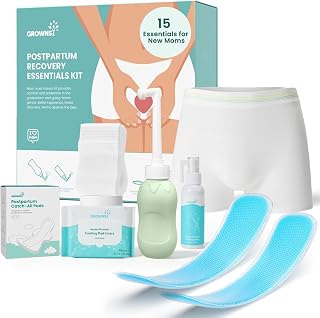
GROWNSY 15pc Postpartum Essentials Recovery Kit for Women, Green

Frida Mom C-Section Hot & Cold Therapy Belly Binder, Recovery Band

Dermoplast Pain, Burn & Itch Relief Spray, First Aid, Cuts, Burns, 2.75 oz

Frida Mom C-Section Recovery Must Have Kit for Labor, Delivery & Postpartum

Glamommy Postpartum Recovery Essentials Kit, Labor & Delivery Care for Mom

Postpartum Essentials Recovery Kit, Labor & Delivery Gift for Mom

Postpartum Essentials Kit, Postpartum Kit for Women after Birth

C Section Recovery Kit, Csection Postpartum Essentials
📋 Buying Guide
Consider your personal comfort and support system when choosing postpartum care options. It's important to select a plan that aligns with your needs and lifestyle to ensure a smooth recovery.
Research the different types of postpartum care available, such as home visits, outpatient clinics, or hospital programs, to find the best fit for your situation.
Evaluate the qualifications and experience of healthcare providers involved in postpartum care to ensure you receive knowledgeable and compassionate support.
Plan ahead by discussing your postpartum preferences with your healthcare provider before delivery, so you can arrange the appropriate care plan in advance.
❓ FAQ
What are common physical symptoms experienced after childbirth?
Common physical symptoms include vaginal bleeding or lochia, perineal discomfort, breast engorgement, fatigue, and hormonal changes that can affect mood. It's important to rest and consult your healthcare provider if symptoms are severe or persistent.
How can I manage emotional changes and postpartum depression?
Emotional changes are normal after childbirth, but if you experience persistent feelings of sadness, anxiety, or mood swings, it may be postpartum depression. Seeking support from loved ones, talking to a mental health professional, and ensuring adequate rest can help. Don't hesitate to reach out to your healthcare provider for guidance and treatment options.
When should I schedule my postpartum check-up?
It is recommended to have a postpartum check-up within 6 weeks after delivery. However, you should contact your healthcare provider earlier if you experience heavy bleeding, fever, severe pain, signs of infection, or any concerns about your recovery or your baby's well-being.